



The open road. Blue skies overhead. An end destination in mind, but enjoying the journey just as much.
This is the RV life.
Anyone who has traveled by RV understands the unique sense of freedom that comes with it. There’s something special about bringing the comforts of home wherever you go and waking up to a new view whenever you choose.
But with that freedom also comes preparation.
Of course, there are the essentials: checking tires, oil, and brakes before departure, planning campground reservations, understanding RV length compatibility, and making sure you have access to the hookups and amenities you may need. And one important factor that often gets overlooked – your RV toilet setup.
Whether you’re shopping for your first RV, upgrading your current setup, or simply curious about the options available, choosing the right toilet system can have a major impact on your travel experience. In this blog, we’ll break down the different types of RV toilets and the pros and cons of each — helping you feel informed and confident before your next adventure.
Understanding RV Toilet Options
As relaxing as life on the road can be, it doesn’t mean you get to escape the day-to-day responsibilities — they just look a little different in an RV.
Waste management is one of those responsibilities that can truly make or break a trip. The type of toilet you choose impacts everything from how often you need to stop at a dump station to what kind of campsites you can access to how you’ll maintain your system along the way.
And before you start picturing the chaotic RV dump station scene from RV with Robin Williams… that’s usually not the reality.
So, what are the most common RV toilet options?
Traditional Black Tank RV Toilets
Pros: Black tank systems are the most common setup in RVs because they feel familiar. They function much like residential plumbing — flush, and the waste is carried into a large holding tank. This makes them especially convenient for families or group travel, since the higher capacity supports multiple uses over several days. They’re also typically the most affordable option upfront, with many basic models ranging from $100–$200.
Cons: The tradeoff is water usage and maintenance. Black tanks rely on a steady amount of water per flush and often require chemical treatments to help break down waste and control odor. They also need to be regularly emptied at dump stations, which can add planning and limit flexibility — especially for travelers who prefer remote or off-grid destinations.
Cassette Toilets
Pros: Cassette toilets are a great option for smaller RVs and camper vans thanks to their compact design. Instead of a full black tank, they use a removable waste container that can be taken out and emptied when needed, offering more flexibility in where and how you dispose of waste.
Cons: The tradeoff is capacity. Cassette tanks are smaller, which means more frequent emptying. When full, they can also become heavy and a bit inconvenient to handle.
Composting Toilets
Pros: Composting toilets have become increasingly popular among RV and van lifers for good reason. They use little to no water, which helps conserve resources and extend time off-grid. Without the need for a black tank, travelers aren’t tied to dump stations, offering much more freedom in route planning and longer stays in remote areas. When properly maintained, composting systems can also have fewer odor issues thanks to the separation of liquid and solid waste.
Cons: They do come with a learning curve. Users need to manage waste and add composting material regularly. They also tend to have a higher upfront cost, typically ranging from $700–$1,000 depending on the model.
Each of these RV toilet systems serves a different kind of traveler, and there’s no single “right” choice. It really comes down to how you travel and what kind of experience you want on the road.
At OGO, we value exploration. The Earth is our home, and we believe it’s meant to be explored, thoughtfully and sustainably.
If this aligns with your values, let’s explore the composting toilet route.
Benefits of a Composting Toilet
One of the biggest reasons RVers are making the switch is how much easier it can make life on the road. Traditional black tank systems can use a surprising amount of water (often 40–80 gallons per week for just two travelers), while composting toilets use little to no water at all. That means fewer trips to refill freshwater tanks, fewer stops at dump stations, and more freedom to stay off-grid for longer. For those who love exploring remote destinations, that added flexibility can completely change how you travel.
Composting toilets also eliminate many of the common frustrations that come with black tank systems. Instead of dealing with chemicals, frequent tank flushes, sewer hoses, and potential odors or clogs, composting systems rely on natural materials like coconut coir or peat moss to manage waste and start the composting process. While they do come with a higher upfront cost, many RVers find the long-term benefits — lower maintenance, reduced water use, and greater independence — worth the investment.
The benefits can look like:
Reduced water usage: Often 25–50% less compared to traditional RV black tank systems, saving roughly 40–80 gallons of water per week for two travelers
Fewer dump station trips: Black tanks typically require dumping every 3–7 days, while composting systems can go 3–6 weeks for solids*, saving an estimated 1–3 hours per week in travel and wait time
Lower ongoing costs: Many RVers spend $10–$40 per month on black tank chemicals, while composting materials typically cost around $5–$15 per month
We love what composting toilets make possible — not just for travelers, but for the planet as well.
But it’s also important to note that not all composting toilets are created equal. That’s exactly why OGO exists. We set out to rethink what a composting toilet could be, because we were tired of clunky, outdated systems.
*Depending on brand and personal usage.
The OGO Composting Toilet Difference
Our roots come from a love of exploration. After countless miles on the road, nights under the stars, and long stretches out on the water, we experienced firsthand how clunky, messy, and inconvenient traditional composting toilets could be. That’s why we set out to create something better, for wherever you call home.
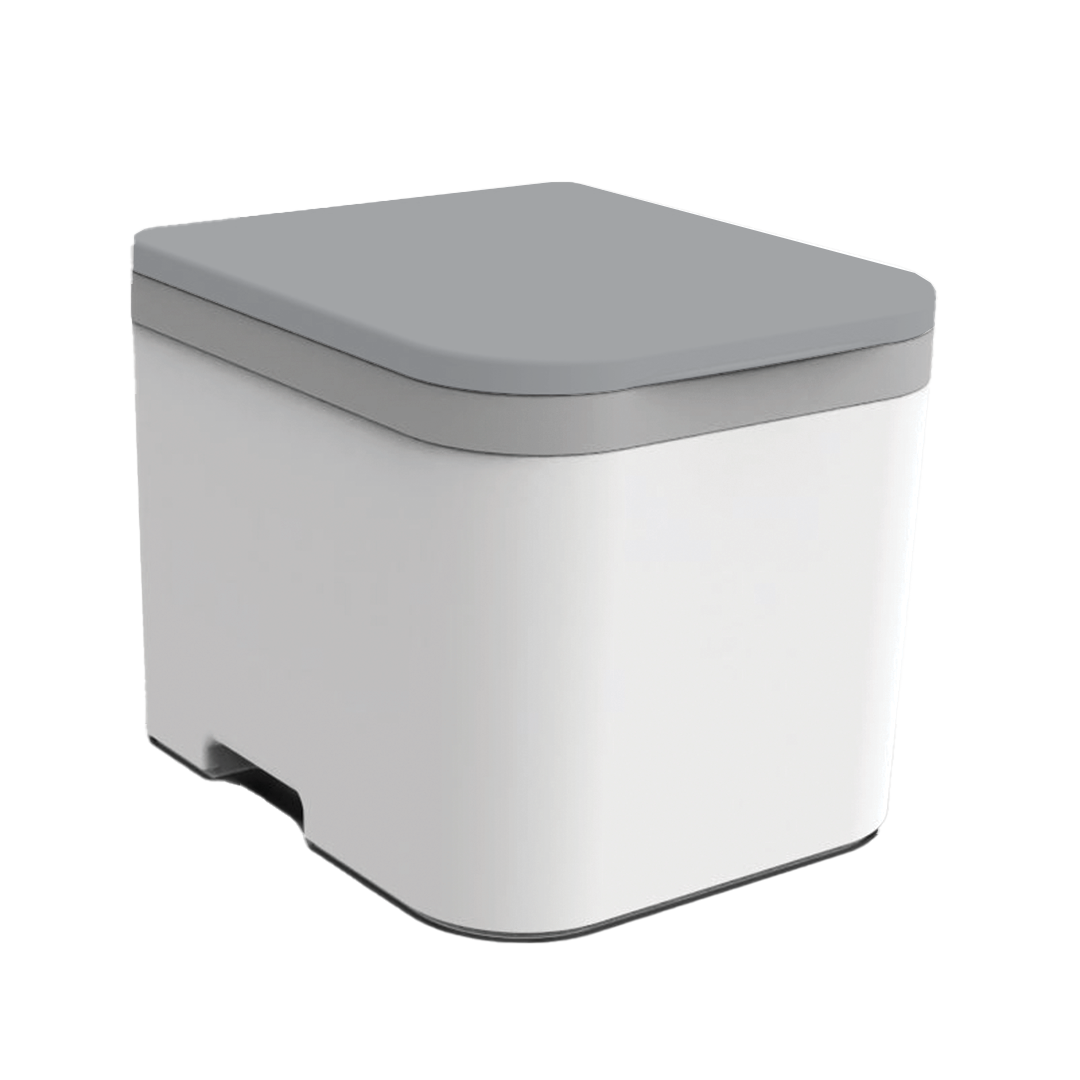
The OGO Origin is our top-rated toilet for RV and van life. What truly sets the OGO Origin apart from other systems is its thoughtful design and ease of use. While most composting toilets rely on a manual hand crank to mix waste and compost medium, the Origin replaces that step with the push-button electric agitator for a fully hands-free experience.
We also reimagined accessibility. Unlike many composting toilets that require top or rear removal (which can be difficult in tight RV or van layouts), the OGO Origin features a front-access solids container, making emptying far simpler in compact spaces where every inch matters.
No matter where the road takes you, the OGO Origin is designed to keep your journey simple, clean, and reliable.
So, where are your RV adventures taking you this summer or fall?